Lipstick, Luxury, and Loss
Soumya Jinaga
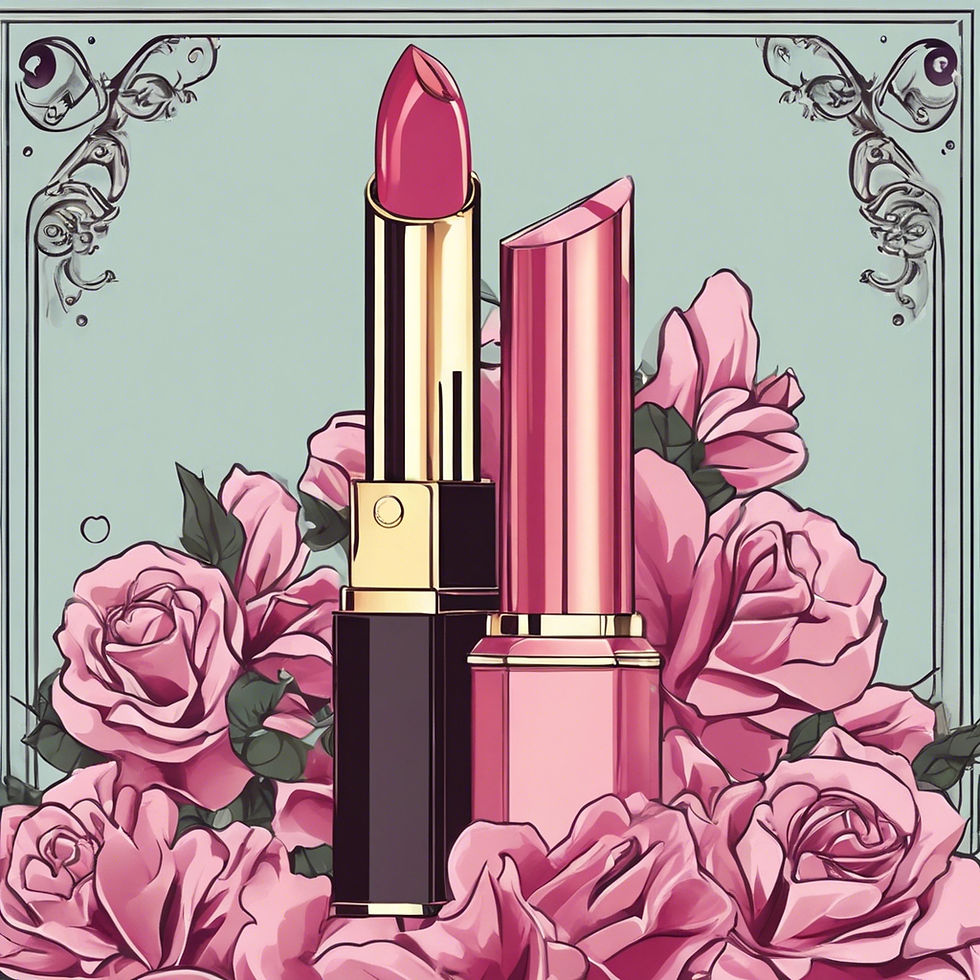
In the marble-floored, intricately designed halls of luxury department stores, an economic indicator continues to manifest: as stock markets decline, lipstick sales soar. This seemingly paradoxical phenomenon, known as the “Lipstick Effect,” has become more than just an economic theory but a window to how customers navigate their desires for luxury during eras of economic downturn and financial hardship.
The Lipstick Effect was discovered by Leonard Lauder, chairman emeritus of the world-renowned Estée Lauder, when he noticed that lipstick sales soared during the 2001 recession. The company’s lipstick sales had risen by 11% in the months following the recession.
However, the lipstick effect isn’t just about lipstick. It’s about affordable luxuries that provide emotional comfort during financially challenging times. We can see this effect today in various sectors of beauty, from nail polish to makeup to designer products.
The contemporary version of the lipstick effect has evolved from beauty products, creating distinct patterns in fashion consumption. Some of these alternatives include:
Designer cardholders and phone cases
Statement scarves and accessories
High-end jewelry
Premium beauty products in travel sizes
This economic climate has brought the rise of what the industry calls “accessible luxury”. These are products that offer a taste of high-end and designer brands without the accompanying price tag. As economic uncertainties persist, the lipstick effect will continue to evolve according to the era.
The lipstick effect reveals more than just shopping habits during tough times - it demonstrates the resilience of consumer desire for luxury and the innovative ways people fulfill their desires despite financial constraints. Essentially, economic downturns don’t eliminate our desire for luxury; they just change the way we achieve it.

Comments